APIA Wellness Program
APIA Wellness Program
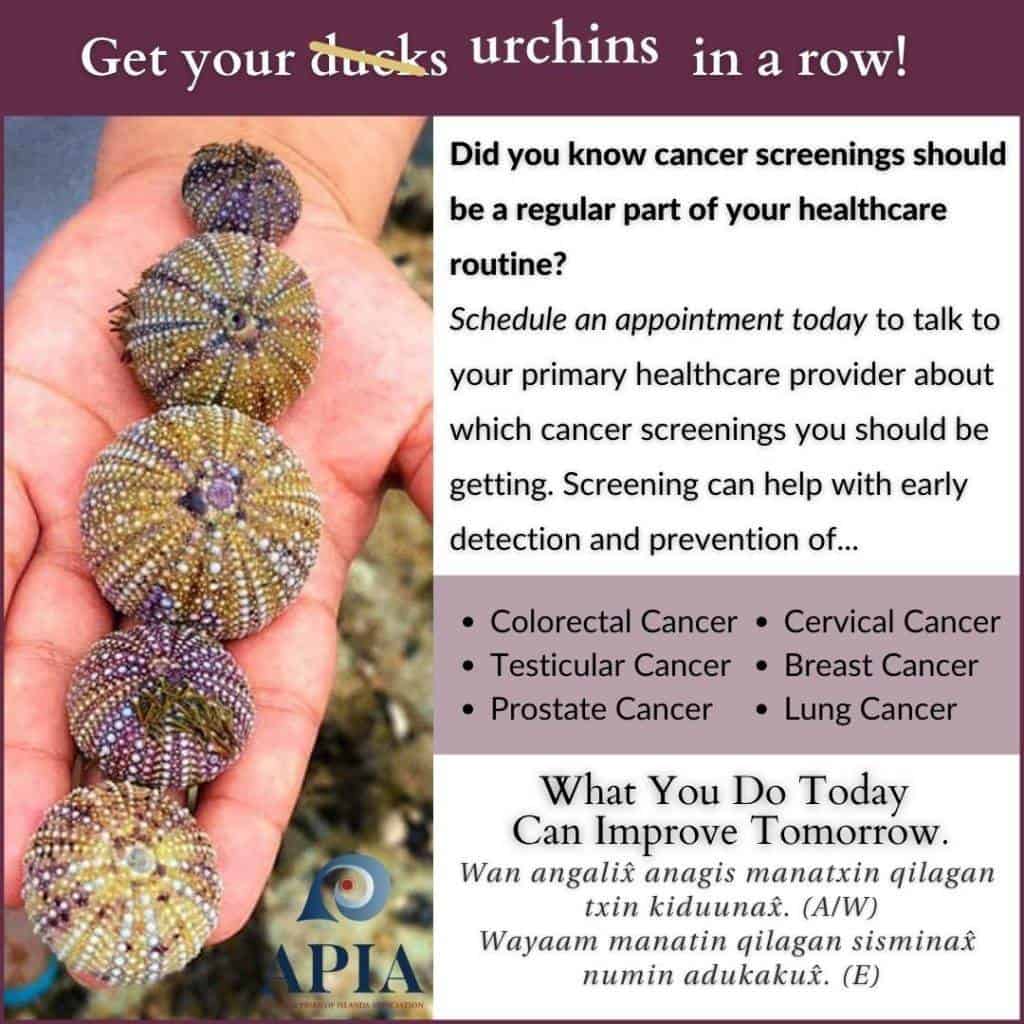
What you do today can improve tomorrow.
Wan angalix̂ anagis manatxin qilagan txin kiduunax̂. (Western/Niiĝuĝim Tunuu)
Wayaam manatxin qilagan sisminax̂ numin adukakux̂. (Eastern/Qagaadan Tunuu)
Wellness is a deeply personal and evolving journey that is unique to each individual, influenced by a wide range of factors including age, lifestyle, and cultural context. It is not a one-size-fits-all concept but rather a fluid and dynamic process that adapts over time. As we move through different stages of life, our understanding and experience of wellness shift, influenced by our physical, emotional, and social needs. Wellness is closely tied to cultural values, traditions, and the collective well-being of the community. It recognizes that health is not solely an individual pursuit, but a shared responsibility that is shaped by the community’s beliefs, practices, and sense of belonging. Wellness programs aim to embrace both mental and physical health as interconnected parts of the whole, supporting individuals to thrive, foster resilience, and achieve a balanced sense of well-being.
Staff Sergeant Parker Gordon Fox Suicide Prevention Grant Program (SSG Fox SPGP)
Provides resources toward community-based suicide prevention efforts to meet the needs of Veterans and their families.
APIA’s SSG Fox SPGP program is funded by the Department of Veteran’s Affairs. The program reduces suicide risk and enhance wellbeing for veterans, active-duty service members, and their families by providing a range of culturally appropriate, traditional, and innovative healing approaches. The program focuses on supporting mental health and fostering resilience through both established and creative methods of care.

Breaking Waves: Navigating Life’s Journeys
Promoting well-being through cultural traditions rooted in Unangax̂ heritage.
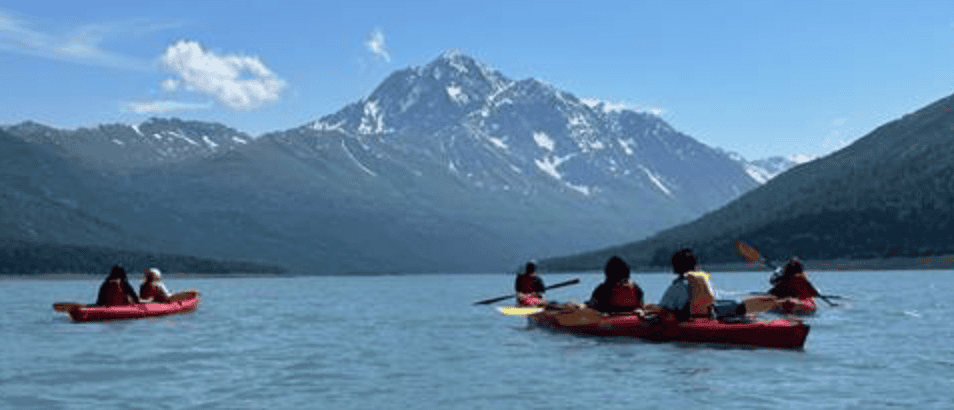
APIA’s Breaking Waves: Navigating Life’s Journey program is funded by the Substance Abuse and Mental Health Services Administration’s (SAMHSA) Garrett Lee Smith Youth Suicide Prevention and Early Intervention Program. The project enhances the psychological well-being of youth through an evidence-based approach that integrates mental, physical, or social, and cultural traditions rooted in Unangax̂ heritage. The program will use an Unangan-adapted version of the Healing of the Canoe’s Culturally Grounded Life Skills for Youth curriculum, combined with cultural and physical activities. Partnering communities will also have access to various suicide prevention training programs, including SafeTALK, ASIST, QPR, and Mental Health First Aid (MHFA).
For more information, contact Felicia Nichols.
HIV/STI Prevention Program
Teaching effective ways to teach teens about sexual and reproductive health.
APIA’s HIV/STI Prevention Program is funded through a subaward agreement with the Alaska Native Tribal Health Consortium (ANTHC) titled Project Wangkuta (“About Us”). The project implements the Native, It’s Your Game (N-IYG) 2.0 curriculum in partnership with ANTHC throughout the region. N-IYG is a HIV, STI, and pregnancy prevention curriculum for American Indian and Alaska Native (AI/AN) youth.
Tobacco Prevention & Control Program
Supporting patients who use tobacco and are ready to quit.
APIA’s Tobacco Prevention & Control Program is funded by the State of Alaska, Division of Public Health. The Health Care Systems Change for Tobacco Cessation focused project improves screening, referral, and treatment processes for patients who use tobacco and are ready to quit.
For more information, contact Project Wellness Coordinator Caroline Nevak.
Colorectal Cancer Control Program (CRCCP)
Educating patients in the importance of colorectal cancer prevention and screening.
APIA’s colorectal cancer prevention program is funded through a subaward agreement with the Alaska Native Tribal Health Consortium (ANTHC). The project increases colorectal cancer screening (CRC) in clinical settings by providing evidence-based colorectal cancer prevention activities throughout the region.
For more information, contact Project Wellness Coordinator Vivian Nguyen.